Home · Strange instruments
Glass bowls, and hands in the air
Franklin’s glass armonica, and Theremin’s instrument you play without touching
Benjamin Franklin finished a glass armonica in 1761, refused to patent it, and played it to the end of his life. Léon Theremin’s invention made its first public appearance in 1920, arrived in the United States in 1927, and was patented in 1928.
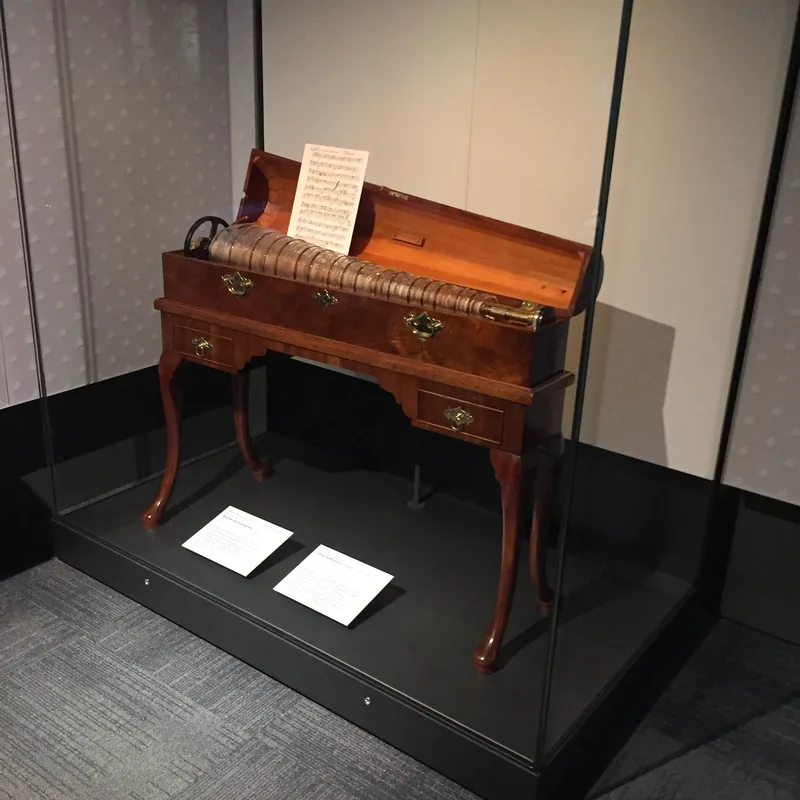
The photograph is a replica of a Charles James armonica of 1761–1762, at the Benjamin Franklin Museum. It is not Franklin’s own instrument, and the caption says so.
The Franklin Institute tells the making plainly. “Ben Franklin completed his glass armonica in 1761. (Its name is derived from the Italian word for harmony.)” Working with a glassblower in London, he “made a few dozen glass bowls, tuned to notes by their varying size and fitted one inside the next with cork.” Each bowl was “made with the correct size and thickness to give the desired pitch without being filled with any water.” He “painted them so that each bowl was color-coded to a different note.” [source]
The instrument had a serious musical life, then a short one. “Later, composers such as Beethoven, Mozart, and Donizetti would write music for the armonica.” “By the 1820s, it was nearly a forgotten instrument.” [source]
Illness, spirits, and a refusal to patent
The Institute also records the darker stories that grew up around it, and then refuses to treat them as proved. Some players were said to have become ill, with muscle spasms, nervousness, cramps or dizziness. A child was said to have died during a performance in Germany, and the instrument was said to have been banned in a few towns. Some people thought the tones invoked spirits, had magical powers, or drove listeners mad. Others blamed lead in the crystal or in the paint. “No explanation or proof was ever really given to any of these claims.” Those are historical claims, and they are labelled that way here. [source]
Franklin’s own record, on the same page, points the other way. “Franklin himself ignored all of the controversy and continued to play the instrument until the end of his life with none of the symptoms mentioned.” “At the time of his death in 1790, when more than 5,000 of them had been built, Ben Franklin had collected no money from his glass armonica. He refused to patent any of his inventions.” [source]
An instrument you play by not touching it
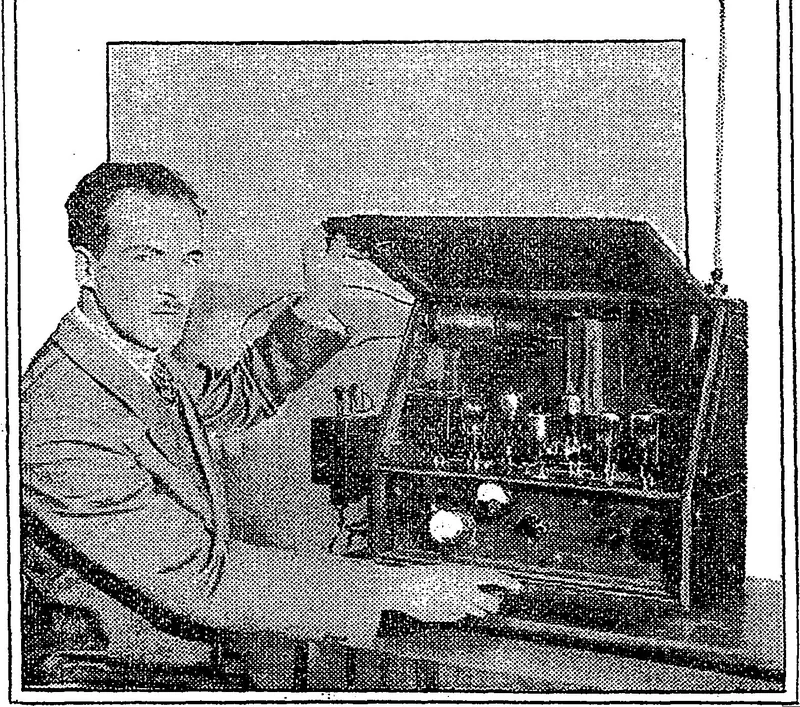
A century and a half later, another strange instrument arrived with a patent and a concert tour. Smithsonian Magazine, in a 16 September 2019 article by David A. Taylor, says the theremin “made its first public appearance in 1920.” “Theremin brought his invention to the U.S. in December 1927 for an extended tour.” He “performed with the New York Philharmonic and at Carnegie Hall” while pursuing a U.S. patent, and “received his patent in February 1928.” [source]
The invention, Theremin wrote, aimed at “producing sounds in musical tones or notes of variable pitch, volume and timbre… using ‘an electrical vibrating system.’” The New York Sun, quoted in the same article, said the audience at his Metropolitan Opera debut was “pleased, entertained and a bit awed.” When the instruments “went on sale at $175 each (over $2,600 in 2019 dollars), the instrument became a luxury.” The dollar comparison is the magazine’s, from 2019, and is not treated here as a live price. [source]
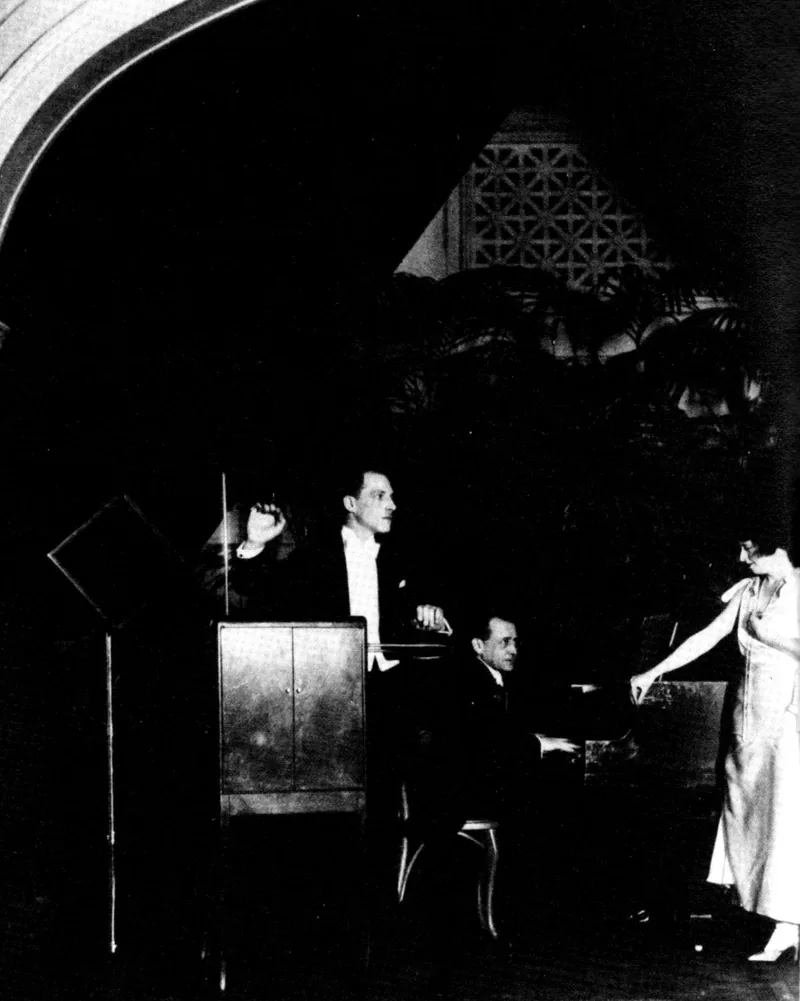
The second photograph is a public-domain picture of Léon Theremin with a trio, around 1924 — earlier than the American tour, and useful as a period view of the instrument being played without being touched. This desk does not add later film-score legends or inventor biographies that were not on the pages re-opened for the rebuild. [source]
Enjoyed this desk on icequakes, singing dunes, and rooms quieter than quiet?
No pop-ups. No intrusive advertising. Just interesting stuff. A little support helps the next ReallyByte site get built.