Home · For families
A page to read together
Strange sounds, told carefully, for a family desk
The same official stories as the rest of the site, in a plainer voice. Nothing is invented, and a legend is still called a legend.
A noise from the sea, with a later answer
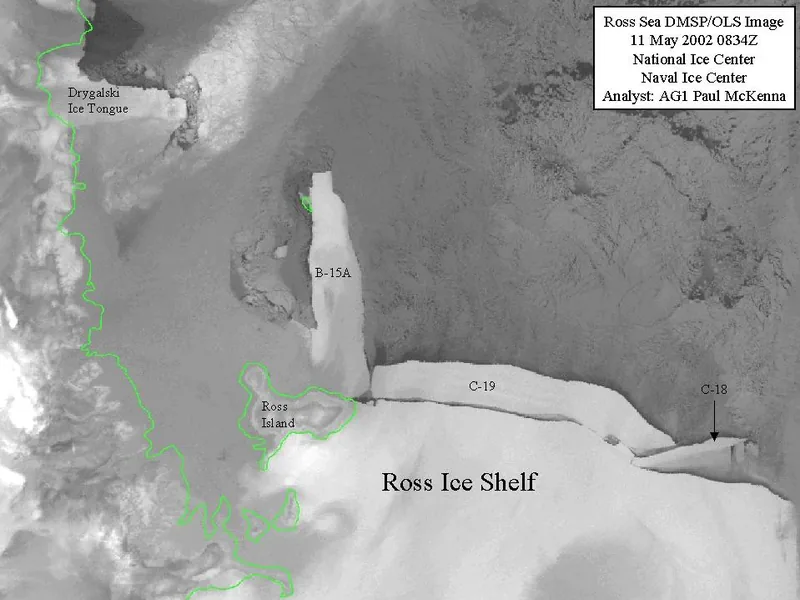
In 1997, scientists listening for underwater volcanoes recorded a very loud, strange sound. They called it the Bloop. People guessed all sorts of things, including a giant sea creature. In 2005, NOAA said the sound was an icequake: an iceberg cracking and breaking away from a glacier in Antarctica. The sea-monster idea was a guess, not the finding. [source]
A volcano heard a very long way away
On 27 August 1883, the volcano Krakatau exploded. A USGS page says people on Rodriguez Island, nearly 5,000 kilometres away, heard what they thought were heavy guns. A NOAA page says the final explosion was heard across more than a tenth of the Earth’s surface, including places more than 2,800 miles away. Both of those official distances are on this site, and they are not mixed into one number. [source] [source]
Sand that can sing
At Eureka Dunes, when the sand is completely dry, sliding sand can sound like a deep organ note or a distant aeroplane. If the sand is even a little damp, the Park Service says, there is no sound. Why it happens is not fully understood. A long time ago, Marco Polo wrote that singing sands sounded like instruments, drums and clashing arms. Researchers at Cambridge treat that as an old description, then say the sound comes from physics, not from spirits. [source] [source]
A room built to be almost silent
Some laboratories build rooms that soak up sound, called anechoic chambers. Orfield Laboratories still calls itself “The Quietest Place on Earth.” In 2015, Guinness World Records gave a quiet-room title to a Microsoft laboratory, and printed very low numbers for the background noise. Those official figures are on the quiet-rooms page, written as Guinness wrote them. [source] [source]
A scream that kept coming back
Ben Burtt, who worked on Star Wars, said the Wilhelm scream started in a western called Distant Drums, turned up in other films, and was put into Star Wars as a kind of joke between friends. For about 20 years, he said, hardly anyone noticed. Then the internet did, and he called it folk art. [source]
There is a short quiz if you want to test the official wording, and three free fact sheets to print.
Enjoyed this desk on icequakes, singing dunes, and rooms quieter than quiet?
No pop-ups. No intrusive advertising. Just interesting stuff. A little support helps the next ReallyByte site get built.